
Effective Methods for Early English Teaching
- V Tirana
- Feb 12
- 4 min read

Starting your child’s journey with English can be an exciting and rewarding experience. When you focus on early English teaching, you open doors to a world of opportunities for your little one. The key is to use methods that are engaging, age-appropriate, and supportive. I’m here to share some effective strategies that will help you guide your child confidently through their first steps in English.
Why Early English Teaching Matters
Young children have a remarkable ability to absorb new languages. Their brains are like sponges, ready to soak up sounds, words, and patterns. When you introduce English early, you help your child develop strong language skills that will benefit them throughout their life.
Early English teaching is not just about memorising words. It’s about creating a rich environment where your child feels comfortable and excited to learn. This means using playful activities, songs, stories, and everyday conversations. The goal is to make English a natural part of their world.
By starting early, you also give your child a head start in communication, reading, and writing. These skills build a solid foundation for future learning and success. Remember, the earlier you begin, the easier it will be for your child to pick up the language naturally.
Practical Tips for Early English Teaching
Here are some simple yet powerful methods you can use at home to support your child’s English learning:
Create a Language-Rich Environment
Surround your child with English in fun and meaningful ways. Label objects around the house with English words. Play English songs and nursery rhymes. Use picture books with bright images and simple text. This constant exposure helps your child connect words with their meanings.
Use Repetition and Routine
Children thrive on routine. Incorporate English into daily activities like mealtime, bath time, or bedtime. Repeat common phrases and encourage your child to join in. For example, say “Let’s wash our hands” or “Time to brush your teeth” in English every day.
Make Learning Playful
Turn learning into a game. Use flashcards, puzzles, or matching games with English words and pictures. Play “I spy” with English words around the room. The more fun your child has, the more motivated they will be to learn.
Encourage Speaking and Listening
Speak to your child in English regularly, even if it’s just a few words or sentences. Ask simple questions and give them time to respond. Listen carefully and praise their efforts. This builds confidence and helps develop their speaking skills.
Read Together Daily
Reading is a powerful tool for language learning. Choose books that are appropriate for your child’s age and interests. Point to pictures and say the words aloud. Ask questions about the story to encourage interaction and comprehension.

Using Technology Wisely in Early English Teaching
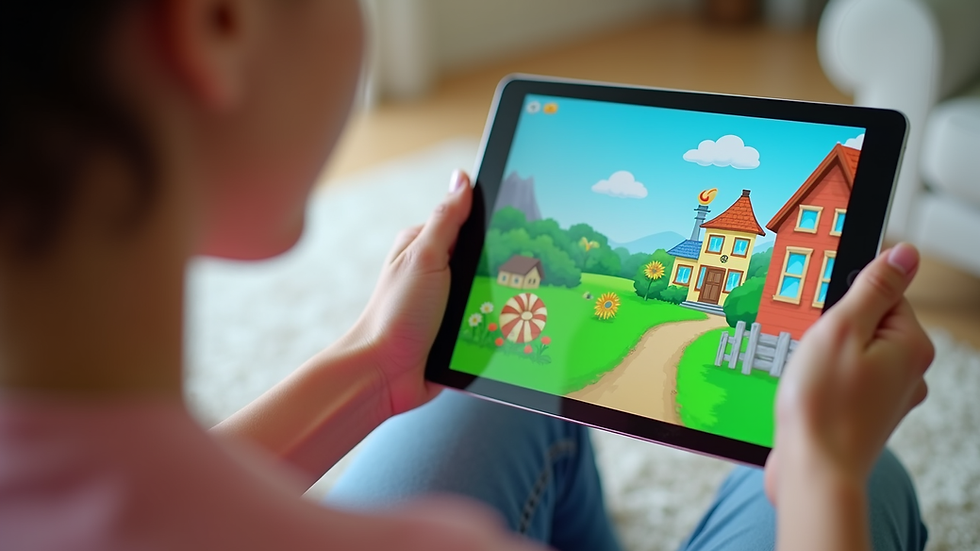
Technology can be a great ally in early English teaching when used thoughtfully. There are many online platforms and apps designed specifically for young learners. These tools offer interactive games, songs, and videos that make learning English enjoyable.
However, it’s important to balance screen time with real-world interaction. Use technology as a supplement, not a replacement, for hands-on activities and conversations. Set clear limits on how long your child spends on devices and choose content that is educational and age-appropriate.
One excellent resource to explore is early childhood english education. This platform offers tailored lessons and support for parents who want to help their children learn English from home. It’s designed to be user-friendly and engaging for both you and your child.
Building Confidence Through Positive Reinforcement
Children respond wonderfully to encouragement. Celebrate every small achievement in your child’s English learning journey. Whether they say a new word correctly or follow a simple instruction, praise them warmly.
Use positive language like “Well done!”, “You’re doing great!”, or “I’m proud of you!” This boosts their self-esteem and motivates them to keep trying. Avoid criticism or pressure, as this can make learning feel stressful.
Remember, learning a language is a process. Mistakes are part of the journey. Show patience and understanding. When your child feels safe and supported, they will be more willing to take risks and practice their English.
Making English a Part of Everyday Life
The best way to help your child learn English is to weave it into your daily routine. Here are some practical ideas:
Talk About Your Day in English
Share simple sentences about what you did or what you see. For example, “I am cooking dinner” or “Look at the big tree.”
Sing English Songs Together
Songs are memorable and help with pronunciation and rhythm. Choose classics like “Twinkle, Twinkle, Little Star” or “The Wheels on the Bus.”
Play Role-Playing Games
Pretend to be shopkeepers, doctors, or teachers and use English phrases related to those roles. This makes learning interactive and fun.
Use English During Playtime
Name toys and actions in English. For example, “Let’s build a house” or “Can you find the red ball?”
Watch English Cartoons or Shows
Select programmes designed for young learners. Watch together and talk about what you see.

By integrating English naturally into your child’s life, you help them see the language as useful and enjoyable. This approach encourages curiosity and a love for learning.
Your Role as a Guide and Cheerleader
You are your child’s most important teacher and supporter. Your enthusiasm and involvement make a huge difference. Show interest in their progress and join in their learning activities.
Set realistic goals and celebrate milestones. Remember, every child learns at their own pace. Be patient and flexible. If one method doesn’t work, try another. The key is consistency and kindness.
Use resources like early childhood english education to find ideas, lesson plans, and support. You don’t have to do this alone. There are many tools and communities ready to help you succeed.
Starting early English teaching is a wonderful gift you can give your child. With the right methods, patience, and encouragement, you’ll watch them grow confident and excited about their new language. Keep the experience joyful and stress-free, and you’ll both enjoy the journey together.


Comments